
Navigating Cuyahoga County's Real Estate Regulations: What You Need to Know

Understanding Zoning Laws
Navigating the real estate regulations in Cuyahoga County begins with understanding the zoning laws. Zoning laws dictate how properties can be used within specific areas. These laws are crucial for maintaining the character and functionality of neighborhoods.
In Cuyahoga County, zoning can vary significantly from one municipality to another. It’s essential to research the local zoning ordinances to ensure that your intended property use complies with existing regulations. Engaging with a local real estate agent or attorney can be beneficial in this regard.

Residential Zoning Regulations
Residential zoning in Cuyahoga County typically includes restrictions on the type and size of structures that can be built. For example, there may be limitations on the height of buildings, the number of dwelling units per lot, and the setback requirements from the property lines.
It's important for potential homeowners and developers to be aware of these restrictions to avoid costly mistakes. Before making any purchase, ensure that the property’s zoning aligns with your plans, whether it’s for a single-family home, a duplex, or a multi-unit development.
Permitting Process
Securing the necessary permits is another critical aspect of navigating real estate regulations in Cuyahoga County. The permitting process ensures that construction and renovations meet safety and environmental standards. This process can vary depending on the scope and location of your project.
Types of Permits
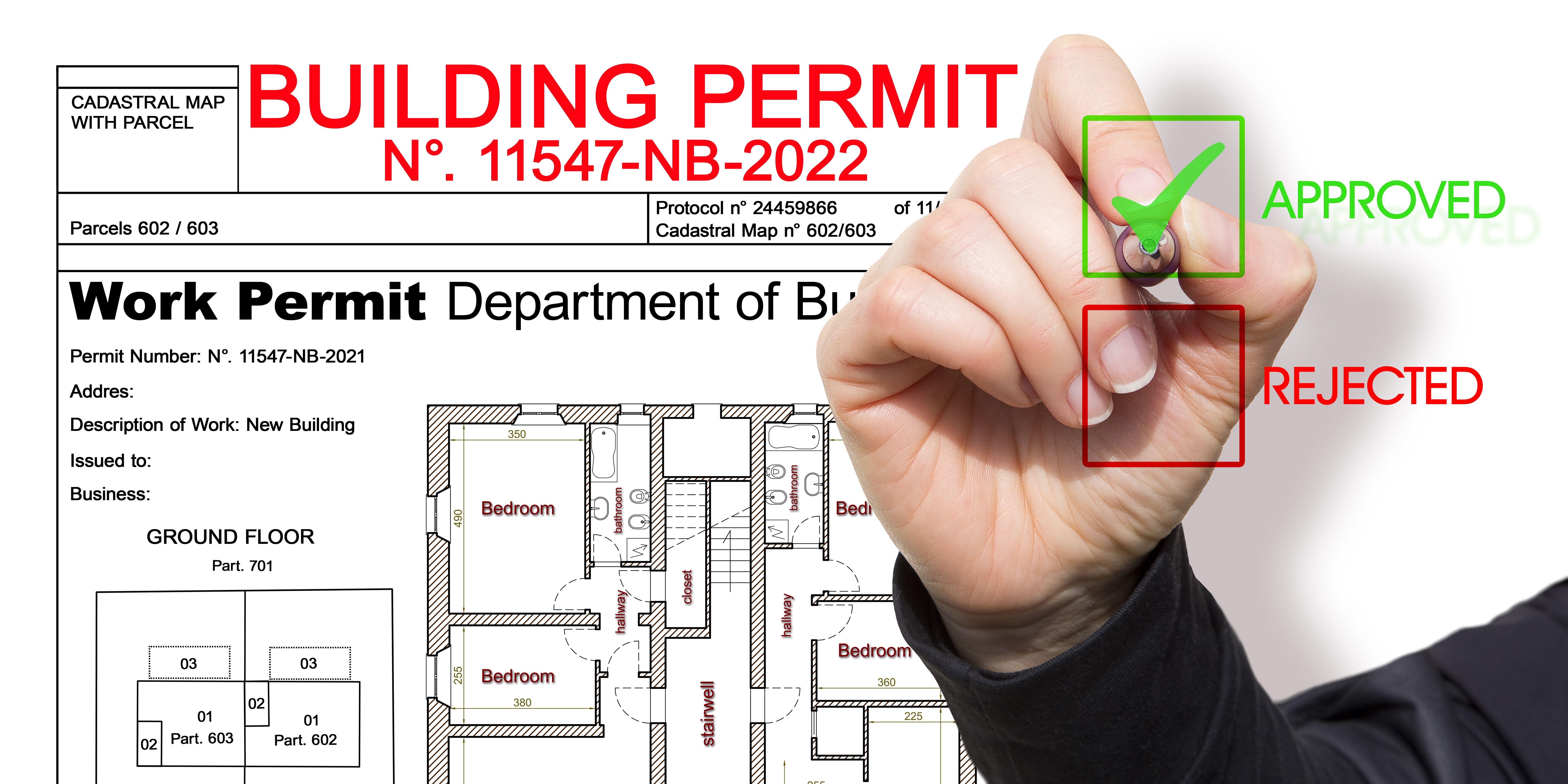
Several types of permits may be required, including building permits, electrical permits, and plumbing permits. Each permit has specific requirements, and applications need to be submitted to the appropriate local authority. It's advisable to consult with a qualified contractor or architect to ensure all necessary permits are obtained.
Failure to secure the proper permits can result in fines, delays, and even legal action. Therefore, understanding the permitting process is essential for a smooth real estate transaction.
Environmental Regulations
Cuyahoga County has specific environmental regulations in place to protect natural resources and ensure sustainable development. These regulations often involve assessments and compliance with state and federal environmental laws.

Impact Assessments
Before commencing any development, an environmental impact assessment may be required to evaluate the potential effects on the surrounding environment. This assessment helps identify any necessary mitigation measures to minimize environmental impact.
Property developers need to be aware of these requirements to avoid unexpected interruptions and additional costs. Engaging an environmental consultant can provide valuable insights into the necessary steps for compliance.
Conclusion
Navigating Cuyahoga County's real estate regulations requires a thorough understanding of zoning laws, permitting processes, and environmental regulations. By staying informed and seeking professional guidance, you can ensure a successful and compliant real estate venture.
Whether you are a homeowner, investor, or developer, taking the time to understand these regulations will help you make informed decisions and avoid potential pitfalls. Remember, preparation and knowledge are key to navigating the complex world of real estate.