
Navigating Construction Regulations in Ohio: What You Need to Know


Understanding construction regulations in Ohio is crucial for anyone involved in building projects, whether you're a contractor, architect, or homeowner. Navigating these rules can be complex, but with the right knowledge, you can ensure compliance and avoid costly delays.
Understanding Ohio's Building Codes
Ohio's building codes are designed to ensure safety and quality in construction. These codes cover various aspects of building design and construction, including structural integrity, fire safety, and energy efficiency. The state adheres to the Ohio Building Code (OBC), which is regularly updated to reflect new safety standards and technologies.
The OBC is based on the International Building Code (IBC), with amendments specific to Ohio. It's important to stay informed about these updates to ensure that your projects meet the latest requirements.

Obtaining the Necessary Permits
Before starting any construction project, obtaining the necessary permits is essential. In Ohio, permits are typically issued at the local level, so it's crucial to contact your local building department for specific requirements. Permits may include building, electrical, plumbing, and mechanical, depending on the scope of your project.
Failure to obtain the necessary permits can result in fines, legal issues, and even the demolition of unpermitted structures. Therefore, it's wise to consult with local authorities early in the planning process.
Working with Licensed Professionals
Ohio requires that certain construction activities be performed by licensed professionals. This includes tasks such as electrical work, plumbing, and HVAC installations. Hiring licensed contractors not only ensures compliance with state regulations but also guarantees quality workmanship.
To verify a contractor's license, you can use the Ohio Construction Industry Licensing Board's online database. This step helps protect you from unqualified workers and potential fraud.

Environmental Regulations
Environmental considerations are an integral part of construction in Ohio. Regulations govern land use, waste disposal, and pollution control to protect natural resources. Projects may require environmental assessments or permits, particularly if they impact wetlands or other sensitive areas.
Consulting with environmental experts can help identify potential issues early in the planning stages, ensuring compliance and minimizing environmental impact.
Staying Updated with Zoning Laws
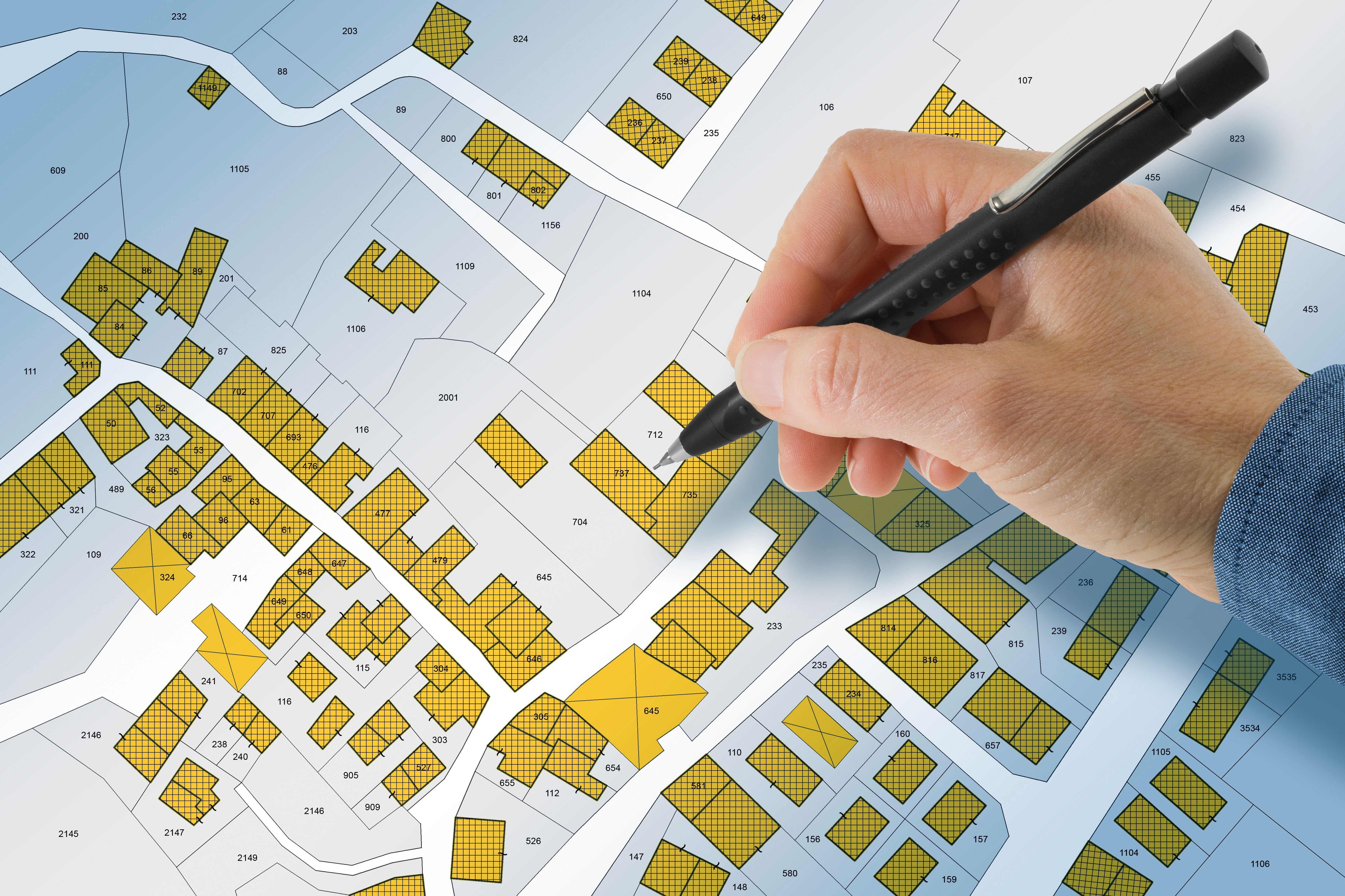
Zoning laws in Ohio dictate how land can be used and what types of structures can be built in specific areas. These laws vary widely from one municipality to another, making it crucial to understand the zoning regulations in your project area.
Engaging with local zoning boards can provide insights into permitted uses and any potential restrictions. This knowledge is vital to avoid zoning conflicts that can halt construction.
Conclusion: Staying Compliant
Navigating construction regulations in Ohio requires diligence and attention to detail. By understanding building codes, obtaining the necessary permits, working with licensed professionals, considering environmental regulations, and staying informed about zoning laws, you can successfully manage your construction projects.
Staying compliant not only ensures safety and legality but also contributes to the overall success and sustainability of your projects.