
Case Study: Successful Commercial Real Estate Development in Cleveland


Introduction to the Cleveland Project
The commercial real estate market in Cleveland has witnessed a remarkable transformation with the successful development of a landmark project. This case study delves into the strategic planning, execution, and impact of this development, illustrating how it has set a new benchmark in the industry.
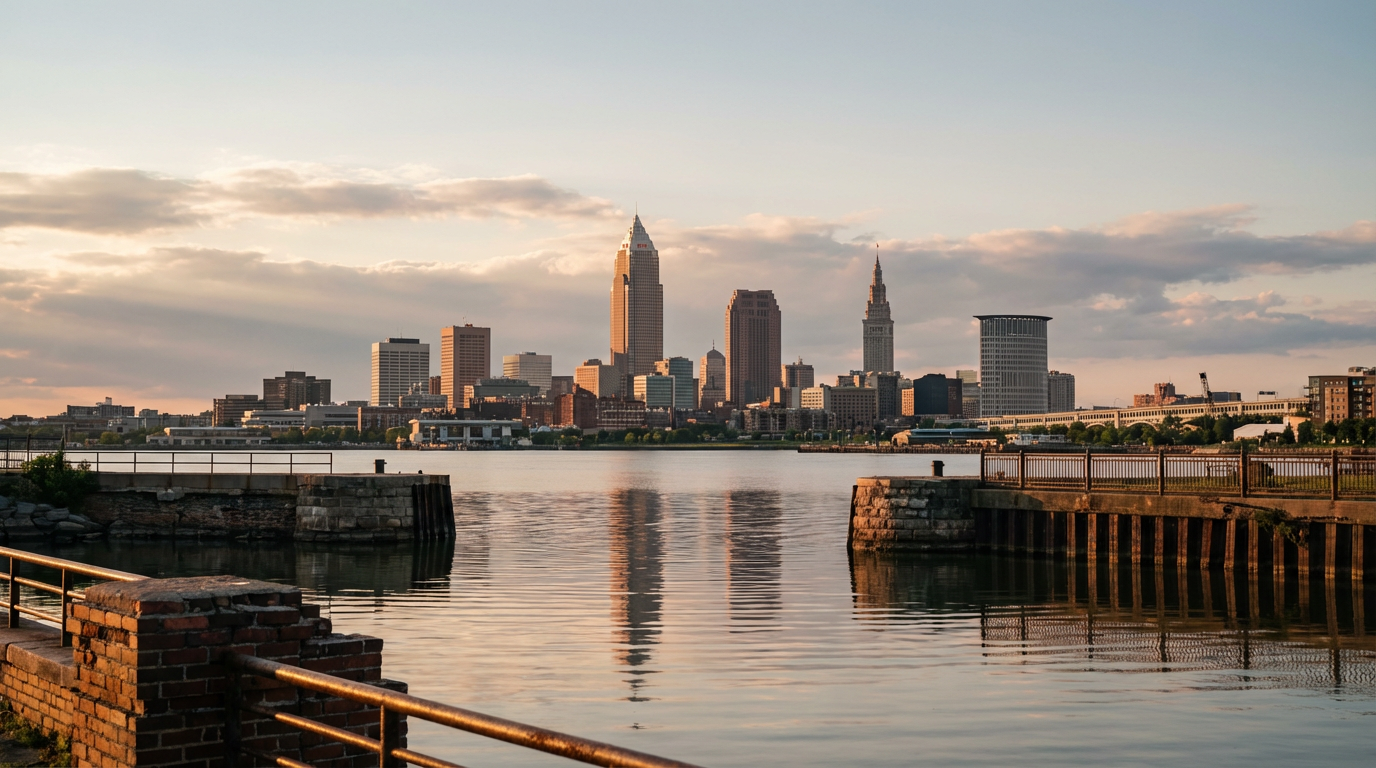
Strategic Planning and Vision
At the heart of this development was a vision to rejuvenate an underutilized area of Cleveland. The developers aimed to create a multifunctional space that would serve both businesses and the community. This vision was supported by extensive market research and a deep understanding of the local demographic needs.
Key objectives included:
- Enhancing economic growth in the region
- Creating job opportunities
- Integrating sustainable building practices
Execution and Challenges
Executing the project involved overcoming several challenges, such as regulatory hurdles and budget constraints. The development team employed innovative solutions, including leveraging public-private partnerships and securing investment from multiple stakeholders. This collaborative approach was crucial in maintaining momentum and ensuring the project's completion on time.

The use of advanced construction techniques and technologies played a pivotal role in addressing these challenges. By prioritizing efficiency and sustainability, the project minimized its environmental footprint while maximizing resource utilization.
Impact on the Local Community
The successful completion of the project has had a profound impact on the local community. It has not only boosted the local economy but also enhanced the quality of life for residents. New businesses have emerged, and the development has become a hub for cultural and social activities.
Some notable impacts include:
- Increased property values in surrounding areas
- Enhanced public transportation connectivity
- A vibrant mix of retail, dining, and entertainment options

Lessons Learned
This case study offers valuable lessons for future commercial real estate projects. One of the key takeaways is the importance of a well-defined vision that aligns with community needs. Additionally, fostering strong relationships with local authorities and stakeholders can pave the way for smoother execution.
Moreover, embracing sustainability and innovation not only meets regulatory requirements but also adds long-term value to the project. The Cleveland development serves as a model for integrating these elements effectively.
Conclusion
In conclusion, the successful commercial real estate development in Cleveland is a testament to strategic planning, collaboration, and innovative thinking. It highlights how such projects can reshape urban landscapes and contribute positively to society. As cities continue to evolve, this case study provides a blueprint for future success in the commercial real estate sector.